The Tel Aviv Real Estate Market: A Journey from 2009 to 2025
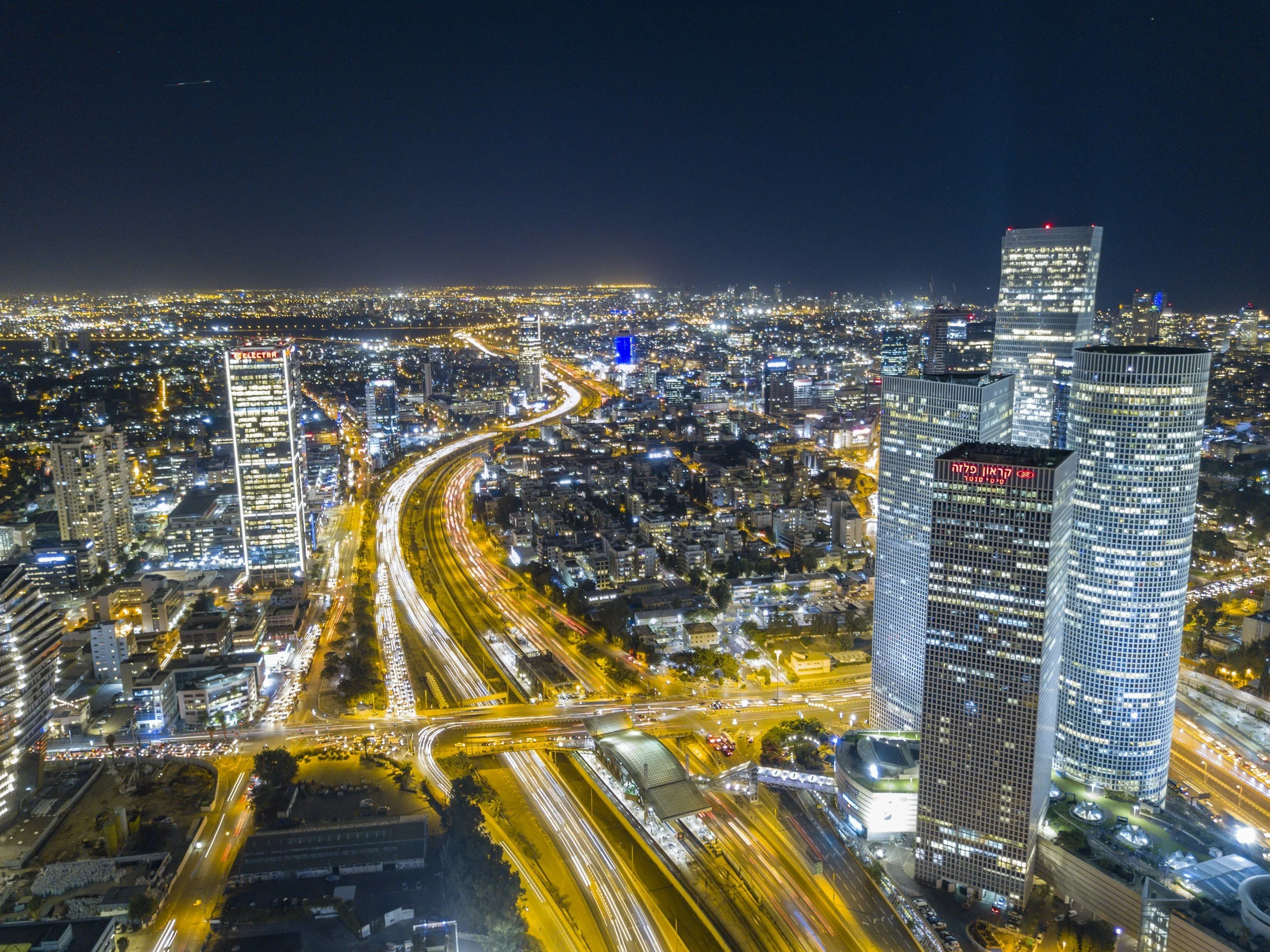
When we first entered the Tel Aviv real estate market in 2009, the city looked very different. Prices were modest, cranes were rare, and much of what we now call central Tel Aviv still felt like a collection of quiet neighbourhoods.
Since then, the city has transformed — economically, architecturally, and socially. We’ve lived and worked through every phase of that transformation, guiding clients through over fifteen years of change.
This is our perspective on how Tel Aviv evolved — and what it means for those buying or investing here today.
2009–2012: Opportunity in Uncertainty
The global financial crisis had just shaken the world, but Israel’s housing market proved surprisingly resilient.
Tel Aviv remained a magnet for both Israelis and returning expatriates, and prices began to rise steadily from their pre-crisis levels. Neighbourhoods like Neve Tzedek and the Old North were already seeing strong demand, while southern areas such as Florentin and Levontin were just beginning to attract attention.
During this period, our firm was founded with a simple goal: to bring clarity and education to an often opaque market. We helped early clients identify undervalued properties, guided them through bureaucratic processes, and built relationships that remain at the core of our network today.
2013–2017: The Boom Years
These years marked Tel Aviv’s true coming of age as an international city.
The startup economy was booming, foreign investment poured in, and developers responded with new high-rise projects across the skyline. Tama 38 and Pinui Binui urban renewal programs reshaped entire streets. Demand for both new construction and quality renovated apartments soared.
Prices doubled in some areas, driven by a mix of foreign buyers and local professionals. Neighbourhoods like Lev Hair and Sarona became symbols of modern urban living, while Jaffa began its own process of revival.
For us, these were years of rapid growth and learning. We expanded our network of developers, brokers, and legal experts, refining our approach to help clients navigate an increasingly competitive environment.
2018–2021: Transformation and Resilience
By 2018, the market was showing signs of maturity. Government attempts to cool prices through higher purchase taxes and new regulations had limited effect. Demand for central properties remained high, while supply stayed constrained.
Then came COVID-19 — a period of both pause and transformation. Transactions slowed briefly, but demand rebounded stronger than ever. Remote work and lifestyle changes pushed many buyers to seek homes with outdoor space, natural light, and flexible layouts.
The market proved remarkably resilient, and Tel Aviv’s appeal as a global, livable city only deepened.
We adapted quickly, offering remote consultations and digital walkthroughs, helping clients make informed decisions even amid uncertainty.
2022–2025: A Complex, Mature Market
The past few years have marked the beginning of a new chapter. Rising interest rates and global economic shifts have brought greater selectivity to the market. Buyers are more cautious, sellers more strategic, and every transaction requires a nuanced understanding of timing and value.
Urban renewal continues to drive long-term growth, particularly in the city’s southern and eastern areas. The opening of the light rail has already begun to reshape accessibility and pricing patterns, creating new opportunities for those who understand the city’s evolving infrastructure.
Despite global instability, Tel Aviv’s fundamentals remain strong: limited land, consistent demand, and a deep cultural and economic vitality that continues to attract residents and investors alike.
According to recent data, the national housing price index rose to about 186.7 (with 2010 = 100) in Q1 2025, up from the baseline 100 in 2010 — implying nearly +87% growth in real terms since 2010. In the Tel Aviv district specifically, prices rose ~9.7% year-on-year early in 2025.
What We’ve Learned — and Where We’re Headed
When we began in 2009, prime Tel Aviv properties sold for around 50,000 NIS per square metre, and the citywide average hovered closer to 30,000 NIS. Today, top-end properties in leading neighbourhoods routinely reach 140,000 NIS per square metre, while the citywide average for a premium property has doubled to roughly 60,000 NIS.
These numbers tell a story far beyond simple appreciation. They reflect a city that has reinvented itself — architecturally, economically, and culturally — becoming one of the most competitive urban real estate markets in the world. Over sixteen years, we’ve seen Tel Aviv evolve from a promising Mediterranean hub into a mature global city, where informed strategy matters more than ever.
Our greatest lesson through all of this has been simple: knowledge, patience, and guidance endure through every market cycle. The clients who take the time to understand the market — who study the data, the regulations, and the rhythms of the city — are the ones who achieve lasting success.
Looking ahead, we see continued opportunity: the light rail reshaping demand corridors, new Pinui Binui projects transforming once-overlooked streets, and a steady stream of buyers drawn to Tel Aviv’s energy and scarcity. The market may move in waves, but its core strength remains — a limited land supply, a vibrant economy, and a city that never stands still.
Since 2009, our role has been to guide clients through that motion with clarity and confidence. Because in Tel Aviv real estate, experience isn’t just about longevity — it’s about understanding how the city breathes, and helping others move with it.