Neighbourhoods of Tel Aviv: Where to Live, Work, and Invest | The Old North & the New North
Tel Aviv is often called “the 24/7 city” but it’s not a one-size-fits-all city – it’s a mosaic of distinct neighborhoods, each with its own character, lifestyle, and real estate market. As a real estate advisory firm active here since 2009, we’ve watched Tel Aviv’s districts evolve and appreciate how important these nuances are for buyers and investors. Below, we break down the key neighborhoods of Tel Aviv – from the historic alleys of Jaffa to the modern high-rises of Midtown – to help you find where to live, work, or invest in this dynamic city. We’ll explore each area’s lifestyle, architecture, typical residents, market trends, and long-term potential.
Old North (HaTzafon HaYashan)
The Old North of Tel Aviv – HaTzafon HaYashan – is the elegant, established residential quarter that was built in the 1930s and 1940s north of Tel Aviv’s original downtown . Bounded by Park HaYarkon to the north, Arlozoroff Street to the south, the Mediterranean Sea to the west, and Ibn Gvirol Street to the east, the Old North offers a serene ambiance within the city . Unlike the bustling center, this area has fewer bars and offices, giving it a more relaxed, neighborhood feel.
Architecturally, the Old North features tree-lined streets (like Nordau Blvd and north Dizengoff Street) and tons of cafes and fashion boutiques. Lifestyle here is laid-back and family-friendly – think morning jogs in Park HaYarkon or coffee at a local café on Basel Square which forms a charming community hub of cafés, bakeries and boutiques amid quiet residential blocks . The Tel Aviv Port (Namal) at the Old North’s northwest edge has been revitalized into a major entertainment zone with restaurants and nightlife, adding a lively waterfront attraction for residents . Proximity to the beach and park means outdoor activity is part of daily life.

Market profile: The Old North has long been an upscale area with high demand from locals and expatriates seeking quality of life. Limited new construction (due to its density and preservation efforts) keeps supply tight. Homes here tend to hold their value well, and while prices per square meter are high, investors see stability and long-term appreciation due to the area’s enduring popularity. Parking can be a challenge (a legacy of older planning), but many buyers accept that trade-off for the location.
Who lives here? You’ll find a mix of well-established Israeli families, professionals, and some foreign buyers (especially those valuing a quieter city experience). The vibe is more “residential oasis” – perfect if you want to be near the action but not in the middle of it. Overall, the Old North promises a comfortable, high-quality lifestyle with greenery, beachfront access, and a strong community feel – a solid choice for both living and investing in Tel Aviv’s real estate.
New North (HaTzafon HaHadash)
Often mistakenly lumped in with the Old North by estate agents looking to confuse buyers, the New North of Tel Aviv is a distinct area – a product of the city’s post-1948 expansion. HaTzafon HaHadash stretches roughly from Ibn Gvirol Street on its west to Namir Road on its east, and from the Yarkon River in the north down to Shaul HaMelech Boulevard in the south . This large swath of town was intensively developed between the 1950s and 1980s with more modern urban planning. Streets are wider, plots are larger, and many buildings are 4–5 story modernist blocks – similar to older Tel Aviv in style but set on parcels about 50% bigger than those in Old North or Lev Ha’ir. The result is a slightly more spacious, suburban feel within the city.
Over the last few decades, the New North has seen the rise of luxury residential towers and exclusive projects, adding a contemporary skyline to what were once low-rise areas . Sub-neighborhoods like Yehuda HaMaccabi (by Park HaYarkon), Kikar Hamedina (the famed circular plaza lined with high-end boutiques), and the Ichilov/Museum district near Shaul HaMelech all fall under “New North”.
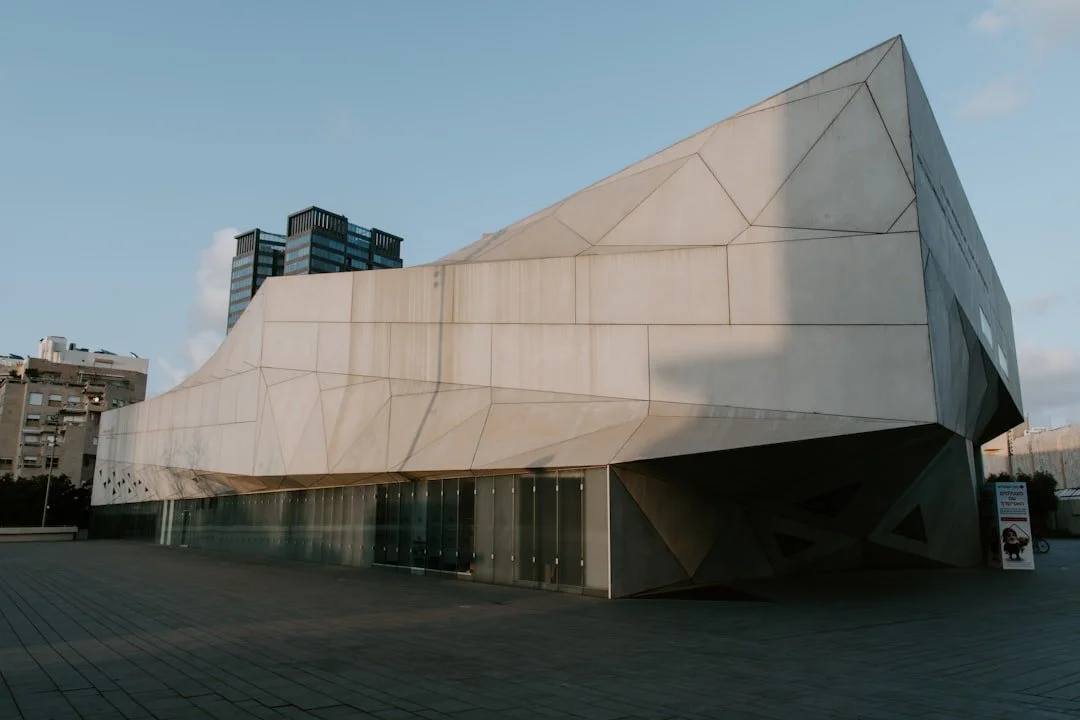
This area is home to major cultural and civic landmarks: the Tel Aviv Museum of Art, the Cameri Theater and Performing Arts Center, the Tel Aviv Courthouse, and Ichilov Medical Center are all located here . These not only provide convenience and employment but also make New North a prestigious address for professionals (doctors, lawyers) and academics.
Lifestyle and residents: The New North offers a blend of urban convenience and residential calm. It’s quieter than the city center, and many families appreciate the abundance of parks (aside from the big Park HaYarkon, there are plenty of green pockets), good schools, and community centers. Cafés and restaurants dot main streets like Weizmann and Jabotinsky, though nightlife is relatively subdued – residents usually hop to nearby centers or the old north for evenings out.
Who lives here? Affluent families, professionals, and academics (given the proximity to Tel Aviv University just across the river in Ramat Aviv) are typical. There’s also a trend of foreign buyers investing in high-end projects here, drawn by the area’s reputation and easier parking and access compared to downtown.
Market profile: The New North is one of Tel Aviv’s most stable real estate markets. Properties range from older spacious apartments ripe for renovation to plush new tower apartments with doormen and amenities. Because the area is large, price points can vary – older walk-up flats can be (relatively) better value, while luxury towers near Kikar Hamedina command top dollar. The ongoing redevelopment (including urban renewal projects, Tama 38 reinforcements, and high-profile luxury builds) means investors see solid long-term potential here. The area’s central location – effectively expanding Tel Aviv’s CBD northward – bodes well for property values. The New North’s emergence has “redefined the boundaries of the city center” by integrating new offices, residences, shops, and culture into Tel Aviv’s heart . For those seeking a quiet, modern residential area with an upscale vibe and good investment prospects, the New North is a prime candidate.
Stay tuned for more neighborhood guides!